TALINUM LINEARE
Author:
Karl Sigismund Kunth, 1823
Family:
TALINACEAE
Origin:
Elevation:
Publisher:
Kunth. (1823). In: Nov. Gen. & Sp. 6: 77.
Collection number:
placeholder
Thickness:
3 Centimetres
Height:
15 Centimetres
Propagate:
Seeds
CITES:
Synonyms:
Calandrinia pilosiuscula, DC.
And way more below...
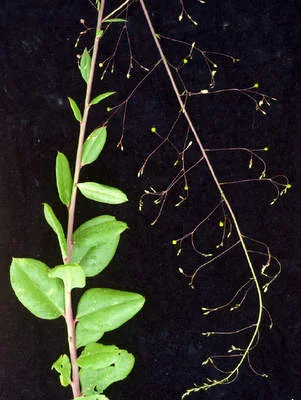
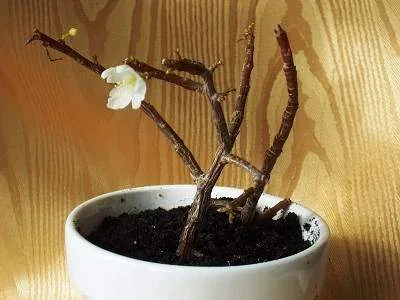
This member of the Talinacaea family was given this name by Karl Sigismund Kunth in 1823. It is found in most of Chile and introduced on New Zealand. It is growing in a well drained soil with quite some water and some to lots of sun. The caudex can grow to three centimetres in diameter, the entire plant to fifteen centimetres in height. The flowers are described as yellow, but with the array of synonyms, orange and deep magenta seems to be included.
The genera name is derived from the Senegalese name for a certain species in Senegal. The species name for the narrow leaves. Calandrinia adscendens F.Phil. Calandrinia angulata Fisch., C.A.Mey. & Avé-Lall. Calandrinia compressa Schrad. ex DC. Calandrinia compressa var. macilenta Acevedo Calandrinia curvifolia Schltdl. Calandrinia gaudichaudii Barnéoud Calandrinia glandulosa Steud. Calandrinia lingulata Steud. Calandrinia macilenta Barnéoud Calandrinia parviflora Steud. Calandrinia pilosiuscula var. tenella (Hook.) Hook. & Arn. Calandrinia procumbens Moris Calandrinia tenella Hook. Calandrinia virgata Phil. Claytonia compressa (Schrad. ex DC.) Kuntze Claytonia gaudichaudii Kuntze Claytonia linaria (Bertero ex Colla) Kuntze Claytonia macilenta (Barnéoud) Kuntze Claytonia pilosiuscula (DC.) Kuntze Claytonia procumbens (Moris) Kuntze Claytonia tenuis (Bertero ex Colla) Kuntze Claytonia virgata (Phil.) Kuntze Talinum acaule Spreng. Talinum adscendens DC. Talinum ciliatum Hook. Talinum gracile Bertero ex Colla Talinum pilosiusculum (DC.) Colla And a lot of then by Anita Flores, Powo.science.kew.org. The fruit by Alexis López Hernández, Inaturalist.ala.org.au.
Flower
Yellow - Orange - Deep Magenta
Soil
Mix
Water
Maximum
Sun
Medium - Maximum