RHOICISSUS DIGITATA
Author:
Gilg & M.Brandt, 1911
Family:
VITACEAE
Origin:
Elevation:
Publisher:
Gilg, & Brandt, M. (1911). In: Bot. Jahrb. Syst. 46: 439.
Collection number:
placeholder
Thickness:
12 Centimetres
Height:
1,5 Meters High, 10-15 Metres Climb.
Propagate:
Seeds/Cuttings
CITES:
Synonyms:
Rhus digitata, L.f. 1782.
Cissus thunbergii, Eckl. & Zeyh. 1835.
Cissus ferruginea, E.Mey.,1843.
Rhoicissus cirrhiflora, Gilg & M.Brandt 1911.
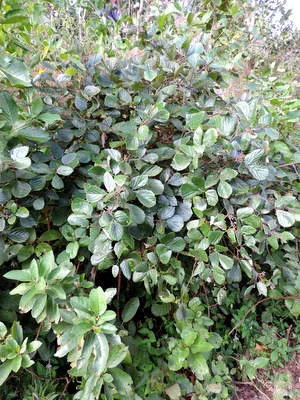
This member of the Vitaceae family was given this name by Ernest Friedrich Gilg and Maxin Brandt in 1911. It is found in the grasslands of Mozambique, eastern South Africa and Zambia, growing in a well drained or sandy soil with some water and lots of sun. The potatoe-like caudexes can grow to twelve centimetres in diameter, the entire plant to 150 centimetres in height when erect, 10-15 metres when climbing on the ground. The flowers are yellow-green.
The name Rhoicissus is derived from the Greek words rhoia, meaning ‘a pomegranate’ and kissos, for ‘ivy’. The species name, digitata meaning 'fingered', referring to the appearance of the leaf, as all the leaflets arise from one base, as fingers do from a palm. And the potatoe-like roots by Tjeerd, Inaturalist.org The fruits by Andrew Gillespie, Inaturalist.org.
Flower
Yellow-Green
Soil
Mix - Sandy
Water
Medium
Sun
Maximum
Similar plants