PELARGONIUM RUBIGINOSUM
Author:
Elizabeth M. Marais, 1999
Family:
GERANIACEAE
Origin:
Elevation:
Publisher:
Marais, E. M. (1999). In: S. Afr, Bot. 65(1): 54.
Collection number:
placeholder
Thickness:
3 Centimetres
Height:
20 Centimetres
Propagate:
Seeds
CITES:
Synonyms:
By mistake: P. rubignosum
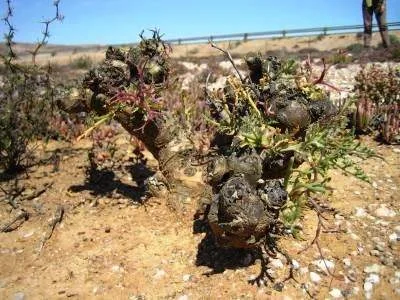
This member of the Geraniaceae family was given this name by Elizabeth M. Marais in 1999. It was found by Ernst van Jaarsveld in Jenkinsop, 17 km north of Eksteenfontein in the amassing Richtersveld. It grow in granite, coars sand, quartzite and can be grown in most, little organic, well drained soil with some water and lots of sun. The area it originates from receives less than 100 millimetres of rain a year, but when it is grown in a small pot, it should have significantly more - like any other plant. They are found growing in rock crevices at high elevations or on foothills in direct sun or light shade. The caudex can grow to three centimetres in diameter, the entire plant to 20 centimetres in height. The flowers are from cream-coloured to yellow with crimson markings in the centre.
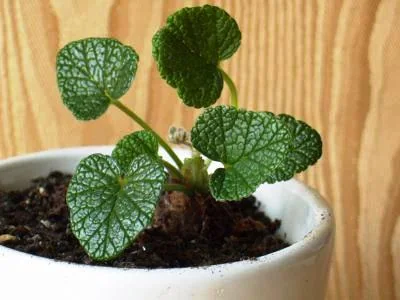
The genera name from Greek; pelargos; 'stork' for the ripening fruits, which resembles the bills of storks. The species name means 'rusty'. This is a winter-grower, but the flowers occurs in October-November in the wild - early summer. The caudex by Vered A. Mann.
Flower
Cream-Coloured - Yellow / Crimson
Soil
Mix
Water
Medium
Sun
Maximum