LECANOPTERIS DEPARIOIDES
Author:
John Gilbert Baker, 1881
Family:
POLYPODIACEAE
Origin:
Elevation:
Publisher:
Baker. (1881). In: J. Bot. 19: 366.
Collection number:
placeholder
Thickness:
6 Centimetres
Height:
30 Centimetres
Propagate:
Seeds/Rhizomes
CITES:
Synonyms:
Davallia deparioides Ces. 1876.
Lecanopteris curtisii, Baker.
Lecanopteris davallioides, Alderw.
Lecanopteris incurvata, Baker.
Lecanopteris macleayii, Baker.
Show more (9)
Lecanopteris philippinensis, Alderw.
Lecanopteris saccata, Alderw.
Pleopeltis barisanica, Alderw.
Pleopeltis curtisii, Alderw.
Pleopeltis deparioides, Alderw.
Pleopeltis macleayi, Alderw.
Polypodium deparioides, Christ.
Polypodium macleayi, Alderw.
Polypodium naviculare, Alderw.
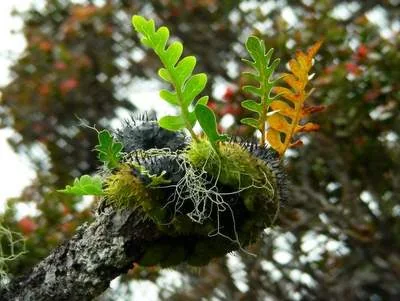
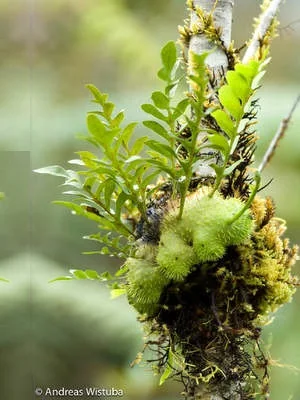
This member of the Polypodiaceae family was given this name by John Gilbert Baker in 1881. It is found in Borneo, Java, Maluku, New Guinea, Philippines and Sumatra, growing in the trees with some water and some sun. The hollow rhizomes will grow up to six centimetres in diameter, and the leaves will grow up to 30 centimetres.
The genera name after some Lecan, but I fail to figure which one, or perhaps Greek lekane; 'bowl', and Latin pteris; 'fern'. The genera name Lecanopteris was introduced by Caspar Georg Reinwardt published in Flora 8, 1825. The species name means it look like Deparia, a member of the Athyriaceae family, and it sure does!
Flower
No: Brown Spores
Soil
Bark - Moss
Water
Maximum
Sun
Minimum - Medium