CEROPEGIA MEYERI-JOHANNIS
Author:
Heinrich Gustav Adolf Engler, 1891
Family:
ASCLEPIADACEAE
Origin:
Elevation:
Publisher:
Engl. (1892). In: Abhandl. Preuss. Akad. Wiss. 2: 343 (1891) 2: 343.
Collection number:
placeholder
Thickness:
2-3 Centimetres
Height:
4 Metres
Propagate:
Seeds/Cuttings
CITES:
Synonyms:
Ceropegia calcarata, N. E. Brown, 1903.
Ceropegia verdicikii, De Wildeman 1903.
Ceropegia angensis, De Wildeman, 1928.
Ceropegia criniticaulis, Werdermann, 1938.
Ceropegia dubia, R. A. Dyer, 1980.
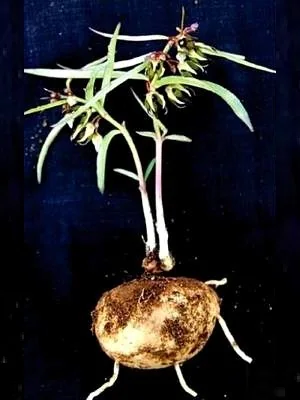
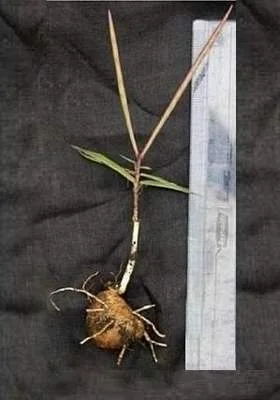
This member of the Asclepiadaceae* family was described by Heinrich Gustav Adolf Engler in 1891. It is found in the tropical Africa, growing in a well drained soil with some water and some sun in the edge of forests. The fleshy roots can grow to two or even three centimetres in diameter, 15-30 centimetres long and the vines from two to four metres. The flowers are greenish-yellow and can have a maroon base.
The genera name is from the Greek word keropegion meaning 'candelabrum', because Linnaeus thought that the flowers looked like candles. The species name after Dr. Johannes Meyer, 1858-1929, a German geographer.
Flower
Greenish-Yellow / Maroon
Soil
Mix
Water
Medium
Sun
Medium