CERATOZAMIA MEXICANA
Author:
Adolphe Théodore de Brongniart, 1846
Family:
ZAMIACEAE
Origin:
Elevation:
Publisher:
Brongn. In: Ann. Sci. Nat., Bot. ser. 3, 5: 7-8, t.. 1 1. (1846).
Collection number:
placeholder
Thickness:
25 Centimetres
Height:
150 Centimetres
Propagate:
Seeds
CITES:
Synonyms:
Zamia mexicana, Jean Jules Linden, 1853.
Ceratozamia brevifolia, Miq. 1848.
Ceratozamia intermedia, Miq. 1848.
Ceratozamia longifolia var. minor, Miq. 1849.
Ceratozamia mexicana var. tenuis, Dyer.
Show more (2)
Ceratozamia mexicana var. vulgaris, J.Schust.
Dipsacozamia mexicana, Liebm. ex Dyer, 1884.
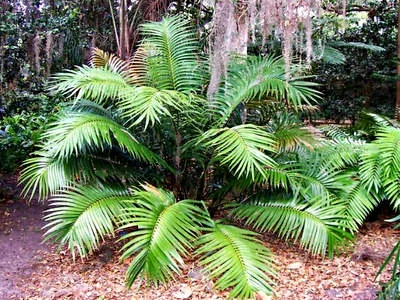
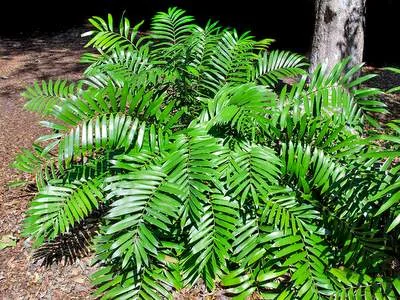
This member of the Zamiazeae family was described with this name by Adolphe Théodore de Brongniart in 1846. It is found in forests of Hidalgo, Puebla, San Luis Potosi & Veracruz in Mexico, growing in a well drained soil with some water and some sun. The stem will grow up to 25 centimetres in diameter and 50 centimetres high. The leaves can reach 150 centimetres long. The male cone is brown, the female grey. MoBot list it as a member of the Cycadaceae family.
The genus name from the Greek ceras, meaning 'horn', which refers to the paired, spreading horny projections on the male and female sporophylls, and azaino; ' pinecone ' of all species. The species name indicate its origin form Mexico. Female cone.
Flower
Male Cones: Brown, Female Cones: Grey
Soil
Mix
Water
Medium - Maximum
Sun
Medium