ARISTOLOCHIA ROTUNDA
Author:
Carl von Linnaeus, 1753
Family:
ARISTOLOCHIACEAE
Origin:
Albania, Bosnia and Herzegovina, Bulgaria, Corse, Croatia, France, Greece, Italy, Kosovo, Montenegro, North Macedonia, Sardegna, Serbia, Sicily, Slovenia, Spain, Switzerland
Elevation:
Publisher:
Sp. Pl.: 962 (1753)
Collection number:
placeholder
Thickness:
3 Centimetres
Height:
20-60 Centimetres
Propagate:
Seeds/Root Cuttings
CITES:
Synonyms:
Aristolochia rotunda subsp. insularis, Gamisans
Aristolochia rotunda subsp. reichsteinii, E.Nardi
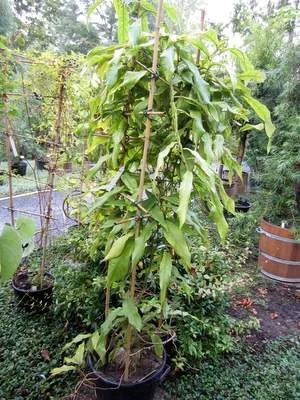
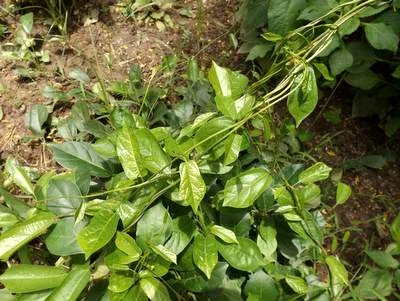
This member of the Aristolochiaceae family was given this name by Carl von Linnaeus in 1753. It is found in Albania, Bulgaria, Corse, France, Greece, Italy, Sardegna, Sicilia, Spain, Switzerland, Turkey-in-Europe and Yugoslavia, growing in a well drained but rich soil with quite some water and little sun. The caudex can grow to three centimetres in diameter and 25 centimetres long, the entire plant from 20 to 60 centimetres in height. The flowers are yellowish-green with a prominent, dark-brown or dark purple flap.
This species is the only host plant of the caterpillars the southern festoon; a beautiful uncommon butterfly; Zerynthia polyxena. The plant contains aristolochic acid, which is poisonous.
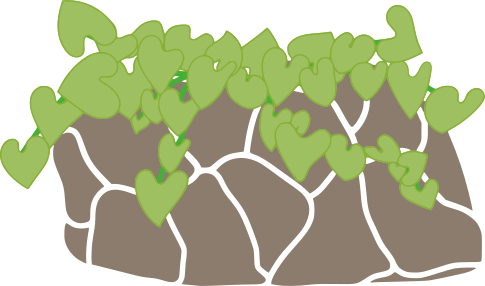
The genera name originated from Latin Aristatus; 'awnes' for the awn-like leaf tips, OR, more likely: ' best birth'; as AristoTheophrastus describes it use at childbirth. The species name means 'round' the rounded shape of the leave. Another old drawing. And another old drawing.
Flower
Yellowish-Green / Dark Brown
Soil
Rich - Drained
Water
Maximum
Sun
Minimum - Medium