ARISTOLOCHIA INDICA
Author:
Carl von Linnaeus, 1753
Family:
ARISTOLOCHIACEAE
Origin:
Elevation:
Publisher:
L. (1753). In: Sp. Pl. 960.
Collection number:
placeholder
Thickness:
4 Centimetres
Height:
3-4 Centimetres
Propagate:
Seeds/Root Cuttings
CITES:
Synonyms:
Aristolochia maysorensis, Duch.1864.
Aristolochia pandurata, Jacq. 1804.
Aristolochia lanceolata, Wight 1858.
Aristolochia indica var. magna. Benth.
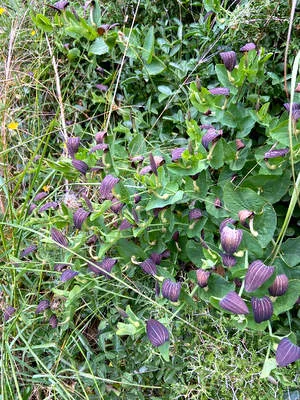
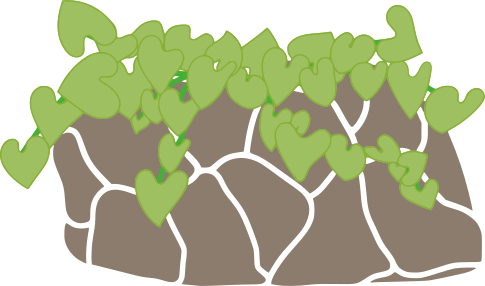
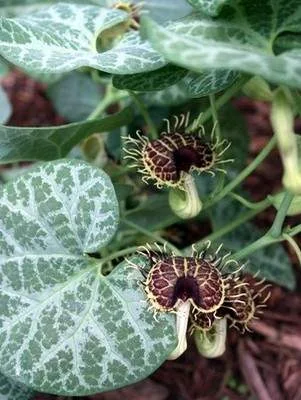
This member of the Aristolochiaceae family was given this name by Carl von Linnaeus in 1753. It is found in southern India, Sri Lanka, Bangladesh, East Himalaya, Myanmar, Nepal and Vietnam, growing in a well drained but rich soil with quite some water and some sun. The caudex can grow to four centimetres in diameter and 30 centimetres long, the entire plant to three or four centimetres in height. The flowers are greenish and purple.
This plant is critical to the survival of the southern birdwing; Troides minos and common birdwing; Troides helena, as well as crimson and common rose butterflies; Pachliopta aristolochiae, who have adopted to the poisonous aristolochic acid and nephrotoxic.
The genera name originated from Latin Aristatus; 'awnes' for the awn-like leaf tips, OR, more likely: ' best birth'; as AristoTheophrastus describes it use at childbirth. The species name from its first finding in India. The leaves by Delonix, Ayurwiki.org.
Flower
Greenish / Purple
Soil
Drained - Rich
Water
Maximum
Sun
Medium - Maximum